Showing posts with label cancel culture. Show all posts

Wednesday, 18 February 2026

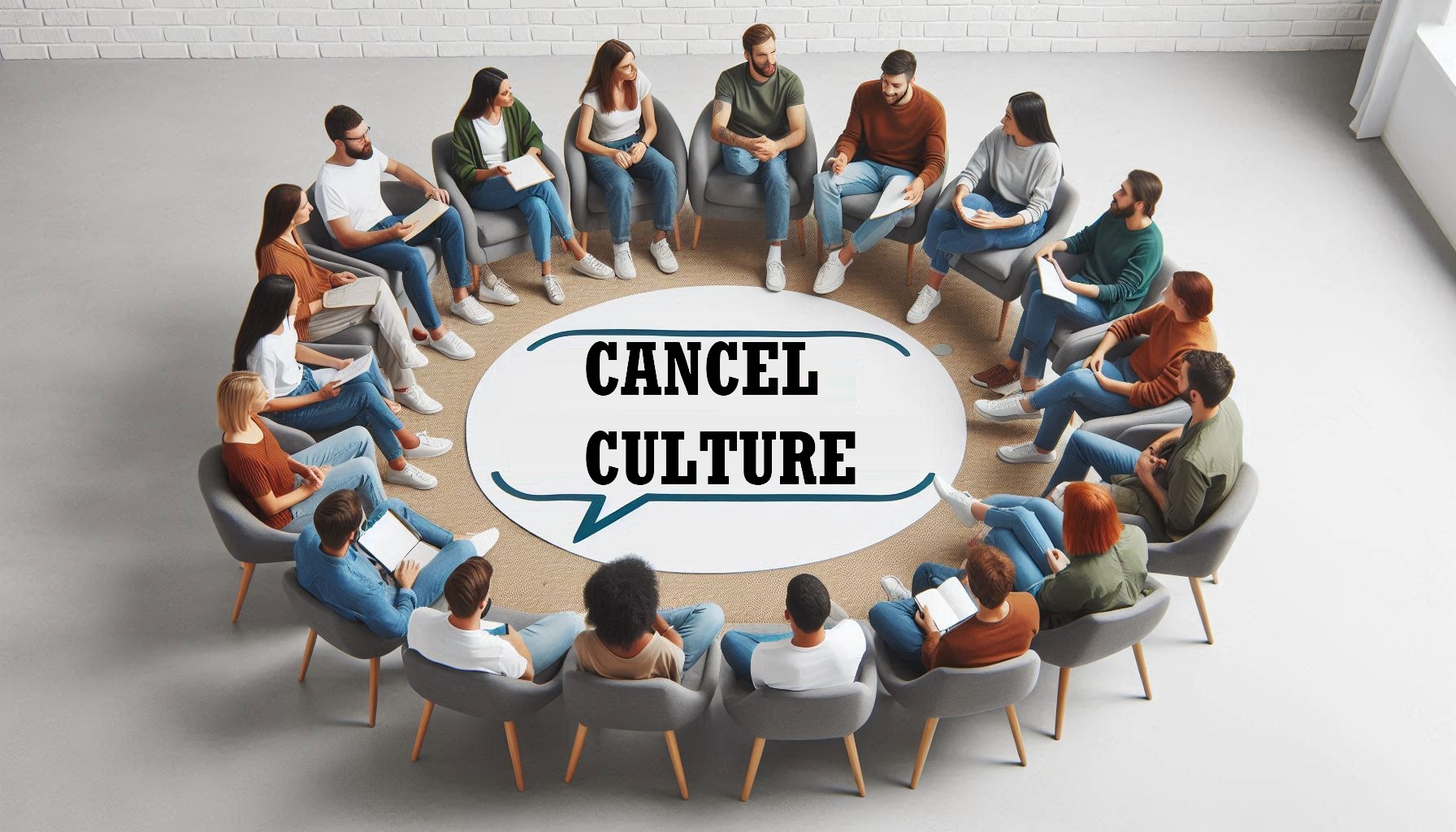
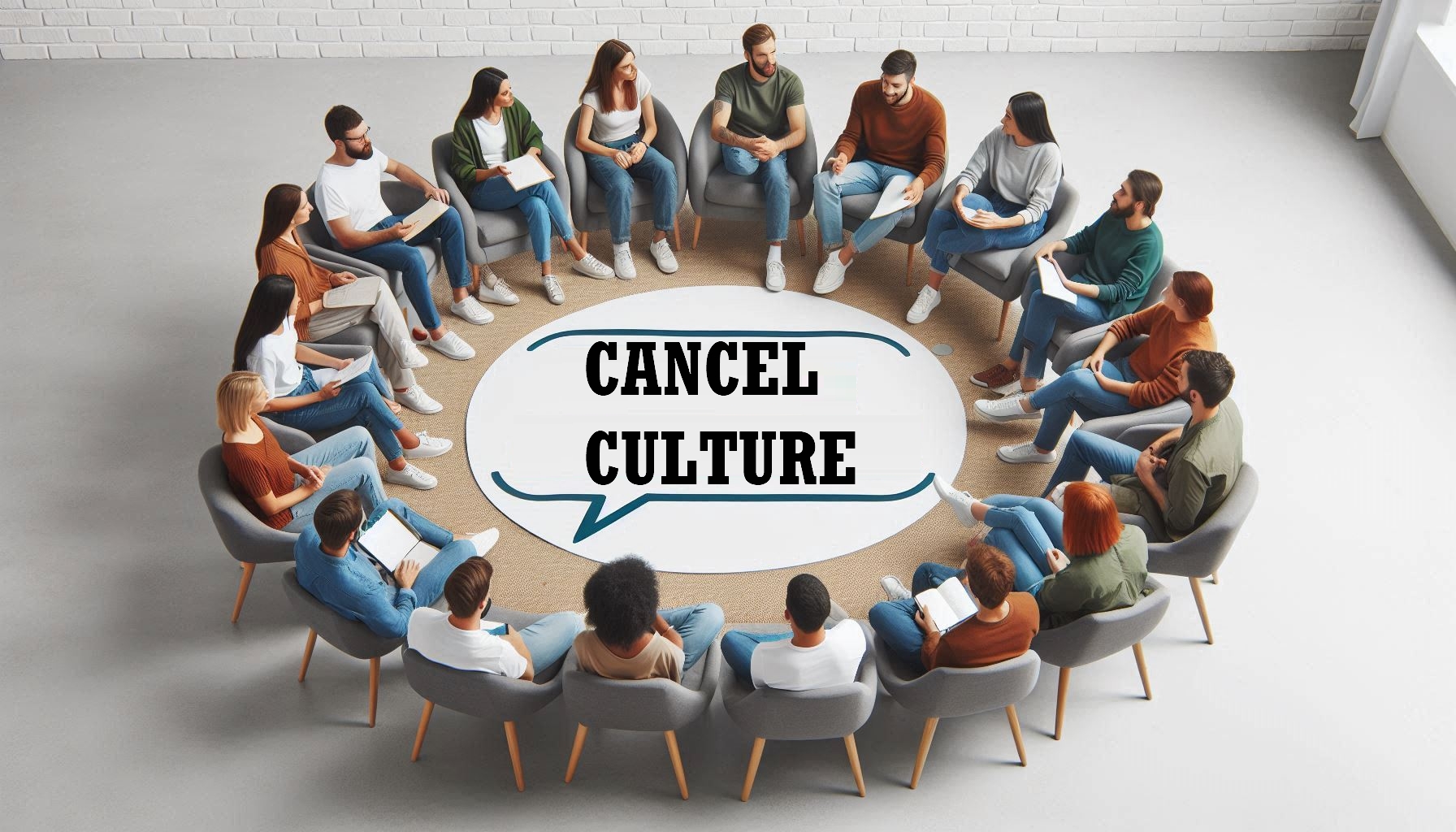
Cancel Culture


Cancel culture

Cancel culture sits between accountability and digital mob justice. This article examines how online shaming emerged from institutional failure, where it succeeds, where it fails, and how justice can exist without dehumanization.

Introduction: When Accountability Goes Viral

Cancel culture has become one of the most polarizing concepts in modern public life. To some, it represents long-overdue accountability — a way for marginalized communities to challenge powerful individuals and institutions that once operated without consequence. To others, it is digital mob justice: impulsive, unforgiving, and disproportionate.

What makes cancel culture so contentious is not simply what happens, but how it happens. In the age of social media, accountability is no longer mediated by courts, regulators, or institutions. It unfolds in real time, driven by outrage, algorithms, and collective judgment.

The central question is not whether people should be held accountable — but who decides, by what standards, and with what consequences.

The Case for Cancel Culture as Accountability

Supporters of cancel culture argue that it fills a historical gap. For decades, powerful figures escaped consequences for racism, sexism, abuse, or exploitation because institutions failed to act. Public call-outs and boycotts became tools of last resort.

In this sense, cancel culture functions as distributed accountability. Social media allows communities to document harm, share experiences, and apply pressure where formal systems have failed. Movements like #MeToo demonstrated how collective visibility could disrupt silence and protect others from harm.

Cancel culture, at its best, is not about punishment — it is about naming harm, demanding responsibility, and shifting norms.

When Accountability Turns into Digital Punishment

The problem arises when accountability loses proportionality. Online platforms reward speed, emotion, and absolutism. Context collapses, nuance disappears, and outrage becomes contagious.

In many cases, cancellation unfolds without due process. Allegations circulate faster than verification. Individuals are reduced to a single moment or statement, stripped of history, intent, or capacity for change. The crowd becomes judge, jury, and executioner.

This dynamic mirrors mob justice more than accountability. Punishment becomes performative, public, and often irreversible — even when harm is ambiguous, minor, or misinterpreted.

Power, Permanence, and Unequal Consequences

Cancel culture does not affect everyone equally. High-profile figures may weather backlash with minimal long-term impact, while private individuals, workers, or marginalized voices may suffer permanent consequences for the same offense.

Digital records are unforgiving. Screenshots, clips, and quotes persist indefinitely, eliminating the possibility of growth without erasure. The question becomes not whether someone made a mistake — but whether they deserve a future.

True accountability should be corrective, not annihilating. Without pathways for repair, apology, and change, cancellation risks replicating the very systems of cruelty it claims to oppose.

The Role of Wokeness in the Cancel Culture Debate

Cancel culture is often framed as a product of wokeness, but this oversimplifies the issue. Wokeness, at its core, calls for awareness of power, harm, and systemic injustice. Cancel culture emerges when awareness is translated into action — sometimes thoughtfully, sometimes recklessly.

The challenge is ensuring that justice-driven impulses do not devolve into moral absolutism. Social movements lose credibility when they confuse punishment with progress and visibility with virtue.

A woke approach to accountability requires discernment, proportionality, and a commitment to transformation, not just condemnation.

Conclusion: Accountability Without Dehumanization

Cancel culture exists because institutions failed — but it becomes dangerous when it replaces them with chaos. Accountability is necessary. Harm should be addressed. Power should be challenged. But justice without restraint becomes cruelty.

The goal should not be to cancel people, but to change behavior, repair harm, and prevent repetition. That requires slowing down, resisting algorithmic outrage, and remembering that social justice is not served by dehumanization.

Staying woke means holding others accountable — without becoming what we oppose.


Wednesday, 26 March 2025

The Intersection of Cancel Culture and Political Discourse


Cancel culture politics

Cancel culture has become a significant factor in modern political discourse, with its impact felt across a range of political ideologies, from the far-left to the far-right. 


While cancel culture is often framed as a social justice tool to hold individuals accountable for harmful actions or speech, its influence on politics raises critical questions about free speech, censorship, and the polarization of public debates.


Cancel Culture and Political Accountability

In politics, cancel culture often intersects with debates over accountability and justice. Politicians and public figures, including those with significant power and influence, are frequently subjected to cancellation when they make controversial statements or engage in actions perceived as harmful. The term "cancel" itself has roots in social justice activism, which seeks to hold individuals accountable for offenses such as racism, sexism, or homophobia.

For example, political figures who have expressed inflammatory opinions or been linked to scandals may face public backlash in the form of boycotts, calls for resignation, and even losing political support. In the United States, figures like Louis C.K. or Al Franken have faced cancellation within political circles after accusations of sexual misconduct, demonstrating how cancel culture has blurred the lines between personal conduct and political viability. Similarly, the Me Too movement significantly influenced political discourse by demanding accountability from both public figures and politicians.

However, this mechanism can also be seen as politically motivated when it is used to suppress ideological opponents. Critics of cancel culture argue that it is not always a fair process but rather a tool for political correctness or ideological conformity. By targeting those who hold conservative or right-wing views, cancel culture can become a form of political censorship, stifling dissent and limiting the range of acceptable discourse.

The Role of Cancel Culture in Political Polarization

The rise of cancel culture is closely tied to the growing polarization in political discourse. In highly polarized environments, such as contemporary politics in the U.S., the "us vs. them" mentality creates a fertile ground for cancel culture to thrive. Social media amplifies this division, as individuals often surround themselves with like-minded voices, creating echo chambers that reinforce specific ideologies.

As people become more entrenched in their political beliefs, any deviation from the orthodoxy is perceived as a betrayal. This creates a culture in which disagreement is not only seen as wrong but as an affront that must be punished. Politicians who express moderate or centrist views may face backlash from both the left and the right. For instance, Senator Joe Manchin (D-WV) has often been the subject of criticism from both progressives and conservatives due to his centrist stance on key issues, demonstrating how cancel culture is wielded across the political spectrum.

Political polarization exacerbates the tendency to cancel anyone perceived as a threat to one's worldview. The tendency to label opponents as "cancelable" amplifies the intolerance for opposing ideas, and political discourse becomes less about debate and more about defeating the other side. This shift leads to an environment where compromise and civil discourse are replaced with ideological purity tests.

Cancel Culture and Political Correctness

Cancel culture is often described as an extension of political correctness (PC), a movement that began in the late 20th century with the aim of creating a more inclusive and respectful society by avoiding language and behavior that might offend or alienate marginalized groups. However, as the debate over cancel culture has unfolded, there has been concern that political correctness has gone too far, resulting in the suppression of free speech and self-expression.

Political correctness is often cited as a driving force behind cancel culture, as the focus on avoiding offensive language and behavior can lead to intense scrutiny of public figures. For instance, statements or actions that were once considered socially acceptable might now be considered problematic, resulting in canceling of those who do not conform to the prevailing cultural norms. Critics of cancel culture argue that political correctness can stifle free speech and creativity, especially in a political context where open discussion is critical.

For example, the controversies surrounding the "canceling" of comedians like Dave Chappelle and J.K. Rowling highlight how cancel culture operates within political discourse. Both figures have faced backlash for remarks that some view as transphobic or insensitive to certain marginalized groups. This raises questions about the role of comedy and satire in political discussions, as well as the limits of free speech in the public sphere.

Wokeness and Political Discourse

Woke culture and cancel culture are closely intertwined, as both arise from a desire to address historical injustices and create a more equitable society. The emphasis on woke activism encourages individuals and organizations to be more aware of issues related to race, gender, sexuality, and other forms of social inequality. In the political context, this often translates into a demand for accountability for public figures who perpetuate harmful ideologies or practices.

However, the rise of woke politics and the subsequent backlash against it highlights a deep divide in political discourse. For example, many conservative politicians have framed wokeness as an extreme form of social activism that undermines traditional values. In turn, progressives argue that this backlash is an attempt to silence calls for social change.

The intersection of cancel culture and wokeness within political discourse often creates a zero-sum mentality in which one side's gain is seen as the other side's loss. The calls for equity and inclusivity can sometimes be perceived as attacks on free speech and individual autonomy by conservative groups, leading to a widening divide in political discussions. This division creates a context in which conversations about social justice, human rights, and diversity become not just about reforming systems but about maintaining cultural power.

Conclusion: The Future of Cancel Culture in Political Discourse

The intersection of cancel culture and political discourse is complex and multifaceted. On one hand, cancel culture serves as a powerful tool for holding individuals and institutions accountable for harmful actions and speech. On the other hand, it can contribute to political polarization, ideological suppression, and the erosion of free speech. As political discourse becomes more divided, the tension between activism and censorship will continue to shape the future of public debates.

A potential path forward involves creating spaces where civil discourse is encouraged, free speech is protected, and accountability is paired with compassionate opportunities for growth. Balancing these priorities could lead to a political environment where dialogue and reform coexist, ultimately leading to more inclusive and equitable societies.

By acknowledging the nuances of cancel culture and its effects on political discourse, we can better understand how to navigate the complex relationship between accountability and freedom of expression in the digital age.


Wednesday, 19 March 2025

Striking a Balance: Achieving Restorative Accountability in Cancel Culture


Cancel culture


As cancel culture continues to shape the landscape of public discourse, it remains a tool both for social accountability and a source of contention.


The future of cancel culture hinges on the ability to balance its justice-oriented goals with the need for redemption, reflection, and nuanced understanding. Here, we explore how society, social media platforms, and activists are working toward a more empathetic and restorative approach to cancel culture.


The Need for Restorative Justice in Accountability

A key shift needed to reconcile the effects of cancel culture with its goals of social justice is the integration of restorative justice practices. Restorative justice emphasizes healing over punishment and offers a space for offenders to reflect on their actions, understand the harm caused, and take tangible steps to make amends. This approach contrasts with the current trend of immediate ostracization, where individuals can be publicly shamed or “canceled” without a path to reintegrate into society.

Research in psychology and criminal justice has shown that restorative justice practices reduce recidivism and foster a sense of accountability without relying on punitive measures. A study published in the Journal of Criminal Justice found that offenders who participated in restorative justice programs were more likely to reintegrate successfully and demonstrate personal growth. This process could be applied to cancel culture by creating frameworks where individuals can apologize, make reparations, and re-engage with the communities they’ve harmed.

The Role of Social Media Platforms in Evolving Cancel Culture

The role of social media in fueling cancel culture cannot be understated. Platforms like Twitter, Instagram, and Facebook have created environments where individuals can be rapidly judged, often without full context or an opportunity for defense. However, some platforms are beginning to recognize the need for change.

In recent years, there has been a push for accountability to be paired with fact-checking and due process. For example, platforms like Facebook and Twitter have implemented features like fact-checking labels and warnings on posts that are deemed misleading or harmful. However, these initiatives are still far from perfect. As research from the Pew Research Center indicates, while fact-checking can slow the spread of misinformation, it does not completely eliminate the "mob mentality" that often accompanies cancel culture.

Moreover, platforms are now experimenting with introducing features that focus on restoration rather than punishment, including programs that allow for apologies and corrections to be issued in response to public mistakes. Social media companies are slowly moving toward systems that encourage reflection and growth, though challenges remain in ensuring these processes are fair, transparent, and equitable for all involved.

Activists Pushing for a Compassionate Approach

Activists, particularly within social justice movements, are increasingly calling for a rethinking of cancel culture. Groups like Black Lives Matter, MeToo, and various LGBTQ+ advocacy organizations have been vocal about the need for restorative justice rather than harsh punishment when it comes to holding individuals accountable.

Dr. Ibram X. Kendi, a prominent scholar on racial justice, argues that cancel culture can perpetuate division rather than healing and should focus on forgiveness and growth. In his view, social movements need to evolve into frameworks where mistakes are acknowledged, but individuals are allowed the chance to learn and atone. Kendi's advocacy for education over exclusion is echoed by Dr. Brené Brown, who highlights how shame (a powerful emotion in cancel culture) can block healing and reconciliation, whereas empathy can facilitate true change.

Dr. Brown’s work emphasizes that compassionate dialogue and empathy should be prioritized in activism to allow for mistakes to be recognized, lessons to be learned, and relationships to be mended. This evolving approach aligns with the growing calls from activists for cancel culture to be more inclusive, forgiving, and focused on long-term growth.

A Path Forward: Compassionate Accountability

Moving forward, cancel culture may evolve into a system that combines justice with compassionate accountability. The focus would shift from immediate cancellation and punitive actions to a more nuanced, educational approach, where people are allowed the time and space to learn from their mistakes. This could involve:

·        Apologies and Dialogue: Providing individuals with the chance to apologize publicly, clarify misunderstandings, or provide context for their actions.

·        Restorative Actions: Encouraging individuals to take meaningful steps to repair harm, such as supporting relevant causes or engaging in educational initiatives.

·        Opportunities for Redemption: Creating avenues for people to re-enter public conversations and demonstrate their personal growth and understanding of the issues at hand.

Such shifts could be supported by social media platforms adopting policies that favor nuanced responses over mob-driven actions. It would also require social justice movements to place a higher value on forgiveness and rehabilitation as essential parts of the process of social change.

Conclusion: A Holistic and Inclusive Future

While cancel culture remains a tool for social accountability, its future lies in how it evolves toward restorative justice, empathy, and compassionate action. By fostering an environment that promotes growth over punishment, both individuals and society can achieve meaningful change without resorting to exclusion and mob mentality. As public figures, social media platforms, and activists work together to redefine accountability, we may find a more productive and healthy way to address harmful actions while fostering empathy, forgiveness, and social progress.

This shift will require a collective effort and a commitment to both holding people accountable and allowing for growth. Only then can cancel culture truly evolve into a force for lasting change, one that encourages learning, healing, and positive transformation.


Thursday, 13 March 2025

The Psychological Impacts of Cancel Culture


Cancel culture

Cancel culture has sparked significant psychological debate, particularly concerning how it affects both the individuals who are "canceled" and the broader society that participates in the process. Understanding these impacts requires examining both the individual consequences for those affected and the societal toll that the culture of cancellation may have on the public's mental health.


Psychological Effects on the Cancelled Individual

For those who find themselves at the center of a cancel culture storm, the psychological effects can be profound and long-lasting. Reputation damage, social isolation, and emotional stress are some of the immediate consequences individuals face. Research shows that individuals who experience online shaming or public backlash often report feelings of anxiety, depression, and shame. A study from the University of California revealed that social media outrage can trigger cognitive dissonance, where the affected individual becomes confused and conflicted about their own identity and place in society.

The consequences can extend beyond emotional distress—canceling can lead to career damage, financial loss, and permanent reputational harm. This is especially true when the individual faces a relentless public outcry. The loss of livelihood, even if temporary, creates deep psychological distress, leading to feelings of helplessness and fear of retribution.

Moreover, public shaming on a large scale, which often accompanies cancel culture, can damage an individual's self-esteem. According to Dr. Brené Brown, a research professor at the University of Houston, shame is one of the most potent emotions tied to public humiliation and can cause long-term emotional scars, especially when experienced by individuals who are caught in the digital spotlight. This form of trauma can lead to social withdrawal, as individuals may feel unworthy of reintegration into social or professional circles.

The Societal Impact of Cancel Culture

While cancel culture primarily affects individuals, its influence on society is also significant. One notable effect is the chilling effect on public discourse. As more individuals and public figures fear being "canceled" for even minor missteps, they may become hesitant to express themselves openly or engage in controversial topics. This can stifle the necessary conversations that drive societal change, as people are less likely to speak their minds if they fear that an offhand comment or misinterpreted tweet could result in personal ruin.

Psychologically, the chilling effect creates a society where free expression is suppressed, and individuals become overly cautious in their communication. This environment fosters self-censorship, which undermines the diversity of thought that is crucial for democracy. Social psychology research on groupthink and social conformity demonstrates that when people perceive social pressures to conform, they are less likely to offer dissenting views or engage in productive disagreement.

The Mob Mentality and Its Impact on Society

Social media platforms provide the perfect stage for mob mentality to thrive. The anonymity of the internet allows individuals to engage in collective shaming without necessarily understanding the full context or even verifying the facts. In many cases, individuals are targeted simply for their perceived association with controversial statements, often without a chance to explain themselves.

This phenomenon, which Dr. Jonathan Haidt and Dr. Greg Lukianoff explore in their book The Coddling of the American Mind, highlights how online communities can spiral into a “cancel culture mob,” where judgment is passed based on limited information, and empathy takes a backseat to outrage. This mob mentality can lead to further polarization within society, as groups of people rally behind specific causes or individuals to attack others, creating an "us vs. them" narrative that undermines social cohesion.

The psychology of crowd behavior shows that when individuals are part of a group, they may engage in more extreme behavior than they would alone, often disconnecting from their sense of personal responsibility. This is especially true in the context of social media, where people are quick to rally behind an emotional cause, sometimes overlooking the complexities of a situation.

Can Cancel Culture Foster Change?

Despite the psychological harms associated with cancel culture, some argue that it has positive aspects, particularly in its role as a tool for social change. Proponents of cancel culture often see it as a way to hold individuals accountable for harmful behavior, especially when other systems of power (e.g., government or institutions) have failed to do so. This aligns with social justice movements, where marginalized voices demand recognition and a shift toward more equitable systems.

However, for cancel culture to foster positive change, it must evolve into a process that allows for reflection, growth, and redemption. In a healthy society, accountability should be paired with opportunities for individuals to amend their actions and re-enter social discourse. The psychological research suggests that providing opportunities for forgiveness can help facilitate this change. A study from the University of Oxford found that forgiveness reduces feelings of anger and resentment, promoting healing both for the individual who has been wronged and the person who made the error.

Conclusion: A Balanced Approach

The psychological effects of cancel culture are far-reaching, influencing both the individuals targeted and society at large. For individuals, the experience can lead to significant emotional and social distress, while society may experience a constriction of free speech and increased polarization. However, the potential for cancel culture to foster positive social change exists, provided that it evolves into a more empathetic and restorative form of accountability.

As society continues to navigate this issue, it is essential to strike a balance between holding people accountable for harmful actions and providing opportunities for reflection and personal growth. A shift toward a more nuanced and empathetic approach would ensure that cancel culture is a tool for positive change rather than one that stifles dialogue and leaves lasting emotional harm.


Monday, 3 March 2025

The Future Evolution of Cancel Culture: Accountability or Stagnation?


Cancel culture

As cancel culture continues to grow, its future remains uncertain. On one hand, its rise has led to significant social change, allowing marginalized voices to hold powerful figures accountable for their actions. On the other, cancel culture has become increasingly controversial, raising concerns about fairness, due process, and the long-term consequences for individuals.

1. Evolving Definitions of Accountability

One key area where cancel culture may evolve is in how we define accountability. In its current form, cancel culture often revolves around public shaming, which can lead to severe reputational damage, but it also creates space for those who feel powerless to demand action. As society continues to grapple with the complexities of accountability, we might see a shift towards restorative justice approaches—where individuals are given the chance to acknowledge their mistakes, make amends, and engage in dialogue with their critics. For example, the rehabilitation of figures like James Gunn and Kevin Hart, who were initially “canceled” but later reinstated after apologies, reflects a growing acceptance of redemption arcs.

Studies on justice and forgiveness indicate that restorative justice is increasingly favored as a means of healing in more nuanced cases. This shift could signal a move away from a purely punitive system, allowing people to learn from their mistakes rather than being permanently exiled. Research in criminal justice has suggested that when people are allowed to make reparations, they experience a reduced sense of shame and are more likely to reintegrate into society.

2. The Role of Nuanced Conversations

As cancel culture has gained traction, many critics argue that it has led to a lack of nuance in public discourse. The quick-fire nature of social media can result in issues being reduced to simple binaries: right or wrong, good or bad, with little room for discussion. As a result, we might see a future in which social platforms, educators, and activists increasingly focus on fostering dialogue rather than condemnation.

In fact, deliberative democracy, which emphasizes thoughtful conversation and reflection, could provide a model for more civil public engagement in the future. This shift would encourage individuals to think critically about the issues at hand, considering not just the actions of the accused but the context in which they occurred and the opportunity for learning. The "cancel culture" of tomorrow could be less about public judgment and more about facilitating restorative dialogue, where all sides are heard and individuals are not stripped of their dignity.

3. Impact on the Future of Social Media

The role of social media in cancel culture is undeniable. Platforms like Twitter, Instagram, and Facebook have transformed the way social movements and outrage are organized. However, as concerns about the negative impacts of cancel culture grow, these platforms may face pressure to change their policies around accountability.

For example, Twitter has already started taking steps to address harmful behavior by implementing fact-checking mechanisms and warning labels. These moves might signal a broader trend where platforms increasingly moderate content in ways that encourage informed dialogue and reduce the knee-jerk reactions that fuel cancel culture. As social media platforms evolve, it is likely that their policies will become more sophisticated, giving people space for reflection, debate, and the opportunity to engage in dialogue before swift judgment is passed.

Moreover, we may see the rise of alternative social media platforms designed to foster more positive, thoughtful engagement, similar to sites like Mastodon or Reddit, which operate around community-driven moderation. These platforms could provide a space for conversations that are less likely to descend into mob mentality while maintaining a focus on accountability and justice.

4. The Rise of Empathy in Social Movements

Another potential evolution in cancel culture is the growing influence of empathy and compassion. Social movements focused on equity, racial justice, and LGBTQ+ rights have already stressed the importance of seeing individuals as complex beings with flaws, rather than simply categorizing them based on their mistakes. Moving forward, cancel culture could incorporate more of these values, promoting empathy as an essential tool for understanding why people make mistakes and how they can make amends.

5. Social Media Fatigue and the Potential for Reform

Another aspect of cancel culture’s future evolution lies in the fatigue that many individuals and groups feel toward it. Studies on social media burnout suggest that users are increasingly becoming tired of the constant outrage and performative activism. In the long term, this could lead to a reduction in the power of cancel culture, as people grow disillusioned with its short-term effectiveness and begin to crave more meaningful, long-lasting social change.

If the public begins to favor more sustainable activism—such as long-term campaigns that push for systemic change—cancel culture may become less prevalent. This shift could encourage more direct actions, such as policy reforms, educational initiatives, or local community efforts, which focus on structural changes rather than focusing on individual actions.

Conclusion: A Shift Toward Reconciliation

In conclusion, the future of cancel culture is likely to be shaped by a combination of factors, including evolving definitions of accountability, the push for nuanced conversations, and the role of empathy in activism. Social media platforms will also continue to play a significant role, although the growing concerns around cancel culture's consequences may push for reforms that prioritize dialogue over condemnation.

Ultimately, if society can strike a balance between holding people accountable for harmful actions and providing room for growth, redemption, and empathy, cancel culture may evolve into a more restorative force. In this way, cancel culture could shift from a divisive, punitive tool to a more balanced approach—one that allows individuals to learn, grow, and re-engage with society in positive ways.

Wednesday, 29 January 2025

The Influence of Social Media on Cancel Culture: Dynamics and Impact


cancel culture


Social media has fundamentally altered the way cancel culture operates.


The speed at which information spreads and the platform's ability to connect people across the world means that events or statements can quickly snowball into global phenomena, triggering the canceling process. But this rapid-fire nature of social media also has consequences, both positive and negative.

The Amplification of Outrage

Social media platforms like Twitter, Instagram, and Facebook act as amplifiers of outrage. When an individual or organization says or does something perceived as offensive, social media provides the means for swift, large-scale responses. This collective reaction can create what psychologist JonahBerger refers to as the "contagion effect" of emotions—where negative emotions, such as anger or outrage, spread rapidly across networks. Once a critical mass is reached, the behavior becomes part of the viral landscape, pushing cancel culture into overdrive.

Studies have shown that outrage can be contagious on social media, with users more likely to echo or amplify the opinions of those within their social circles. This is often exacerbated by the structure of social media platforms, where algorithms prioritize sensational, emotionally charged content that draws more attention, comments, and shares. This creates a feedback loop where the original issue is amplified and compounded by countless voices, each adding their own layer of judgment or condemnation.

Echo Chambers and Polarization

One of the most critical ways social media influences cancel culture is through echo chambers—environments where users are exposed primarily to content that reinforces their existing beliefs. These echo chambers can intensify divisions, fostering environments where opposing viewpoints are drowned out or vilified. The result is greater polarization, where individuals on both sides of a cultural debate grow increasingly entrenched in their positions, reducing opportunities for productive dialogue.

As social media users often follow like-minded individuals or engage with content that aligns with their worldview, they become less likely to hear opposing viewpoints or engage in reasoned discourse. This can exacerbate cancel culture’s tendency to frame conflicts in binary terms: you are either "with us" or "against us." When this mentality takes hold, it can make it difficult for individuals to evolve or for a debate to accommodate multiple perspectives.

The Role of Anonymity and Accountability

Anonymity plays a significant role in fueling cancel culture, particularly in how individuals engage with others online. Platforms like Twitter allow people to express their opinions with a degree of separation from their real-life identities. This anonymity reduces the sense of personal responsibility and can lead to more extreme behavior, both in terms of support and condemnation. Research has found that when people feel anonymous, they are more likely to engage in behaviors they might otherwise avoid, including cyberbullying and excessive condemnation.

While anonymity can embolden people to speak out against perceived wrongs, it can also remove the critical nuance required for understanding complex issues. This can make the canceling process feel more impulsive and less rooted in thoughtful debate. In a world where reputation and career can be damaged with a single viral tweet, the consequences of anonymity can be severe, leaving individuals without recourse to defend themselves, let alone learn from their mistakes.

Real-World Examples: Social Media's Role in Canceling

Social media’s role in cancel culture can be observed in numerous high-profile cases. For instance, Kevin Hart was forced to step down as the host of the 2019 Oscars after old homophobic tweets resurfaced. The backlash was swift, fueled in large part by social media users who demanded accountability for his past comments. However, the fallout sparked a debate about whether his actions were unforgivable and whether enough time had passed for him to be allowed to evolve from those past mistakes.

Similarly, James Gunn, the director of Guardians of the Galaxy, was fired from his role by Disney after old tweets surfaced that joked about sensitive topics. However, unlike Hart, Gunn was later reinstated after public figures and fans rallied in his defense. The differences in these cases underscore the fluidity of cancel culture: public opinion can shift rapidly, and not every canceled individual remains permanently ostracized.

The Psychological Toll of Cancel Culture

For individuals who find themselves at the center of cancel culture, the psychological toll can be profound. Being publicly shamed or "canceled" can lead to anxiety, depression, and a sense of isolation. Dr. Jennifer B. Kelly, a psychologist who specializes in social media dynamics, argues that the emotional damage caused by cancel culture can be long-lasting. People who are canceled may experience significant stress, especially when their careers or reputations are destroyed due to a single mistake or public misstep.

In some cases, the aftermath can lead to what psychologists call reputational harm. This refers to the lasting damage to an individual’s public image, which may not be easily repaired. Even if the individual has made amends, the public’s collective memory can be hard to change, especially when amplified by social media.

Conclusion: Social Media's Role in Shaping Cancel Culture

Social media is undeniably central to the functioning and amplification of cancel culture. Its ability to quickly disseminate information, fuel outrage, and create echo chambers means that cancel culture is more widespread and immediate than ever before. While this has allowed for marginalized groups to hold powerful individuals accountable, it has also led to instances where nuance is lost, and individuals face severe consequences without a fair hearing.

The psychology behind cancel culture—particularly the role of social comparison, emotional contagion, and anonymity—helps explain why it is such a polarizing and powerful force. As we continue to navigate this cultural landscape, it is crucial to ask whether cancel culture fosters accountability and growth or stifles meaningful dialogue and redemption. Ultimately, the future of cancel culture may hinge on our ability to balance justice with empathy and to allow room for nuanced conversation, even when emotions run high.


Wednesday, 22 January 2025

The Psychology Behind Cancel Culture

cancel culture


Cancel culture has become a potent force in shaping public discourse, and understanding its psychological roots can help explain why it has gained such traction.


At its core, cancel culture is about accountability, but it is also fueled by a variety of social and psychological factors, including mob mentality, the desire for justice, and the influence of social media.

1. Mob Mentality and Groupthink

One of the central psychological factors behind cancel culture is mob mentality, or the tendency for individuals to adopt the views and behaviors of the larger group. Social media amplifies this dynamic, making it easier for people to participate in collective judgment without fully understanding or considering the context of the alleged wrongdoing. The anonymity and ease of sharing on social platforms often lead to groupthink, where the desire for social approval or belonging outweighs critical thinking.

Research in social psychology suggests that group dynamics can have a profound influence on individual behavior, often leading people to make decisions they wouldn’t make in isolation. Deindividuation, which occurs when people lose their sense of individuality in a group, can make participants feel less personally accountable for their actions, thus enabling them to join in the online shaming or ostracization without feeling the weight of their own moral judgment. Another key motivator behind cancel culture is the desire for justice. Many proponents view canceling individuals or companies as a form of retribution that corrects imbalances of power, especially in the case of marginalized groups. This desire for reparation is rooted in the need to restore a sense of fairness and accountability. People see cancel culture as a way to ensure that those in positions of privilege or power are held accountable for actions that perpetuate inequality or harm.

Psychologically, this aligns with distributive justice, a concept in moral and social psychology that emphasizes fairness and equality in the distribution of rewards and penalties. When public figures or institutions are called out for their wrongdoings, those calling for accountability believe that society is moving toward greater equity by ensuring that those in power do not escape the consequences of their actions .

3. Social Media in Amplifying Cancel Culture

The psychology of social comparison plays a significant role in cancel culture, particularly in how individuals monitor and regulate their behaviors based on others. Social media platforms facilitate public self-regulation, where individuals continuously observe the actions and reactions of others, seeking to align themselves with popular or socially accepted views. The speed and anonymity of online platforms allow users to quickly “join the crowd” without necessarily engaging in thoughtful reflection, leading to swift condemnations and the widespread sharing of opinions—often without the full context.

Social media’s role also plays into the concept of moral outrage. Studies show that outrage, particularly when shared by a large number of people, is highly contagious. This emotional contagion encourages people to amplify the outrage and participate in canceling individuals who may have made a controversial statement or committed an offense. The speed at which information spreads on social media can intensify emotions, heightening the mob-like nature of the movement .

Real-World Examplesological Outcomes

Example 1: The #MeToo Movement

One of the most significant examples of cancel culture is the #MeToo movement, which gained widespread attention after allegations of sexual harassment and abuse against high-profile figures like Harvey Weinstein and Bill Cosby came to light. This movement represents the positive aspects of cancel culture, where the power dynamics of entertainment industries were called into question and individuals who were previously untouchable were held accountable for their actions.

Psychologically, the #MeToo movement reflects a desire for retributive justice, where survivors of harassment and abuse sought to rectify the imbalance of power by publicly condemning those responsible for perpetuating such behaviors. In many ways, this kind of collective action empowered survivors and allowed them to reclaim agency. However, as more figures were “canceled” in the wake of these revelations, questions arose about whether all cases were treated fairly and whether due process was given a fair hearing.

Example 2: J.K. Rowling’s Controversy

In contrast, the backlash against J.K. Rowling over her comments about transgender issues illustrates how cancel culture can sometimes lead to overreach. Rowling’s statements sparked outrage within the LGBTQ+ community, but others argued that the level of outrage was disproportionate to her comments. Critics claimed that her right to express a controversial opinion was being stifled by an overly zealous cancel culture that prioritized ideological purity over the opportunity for respectful disagreement.

Psychologically, this reflects the polarization effect, where opposing groups become more entrenched in their views, leading to a deeper divide and an unwillingness to find middle ground. In Rowling’s case, the psychological dynamics of cancel culture may have inadvertently shut down meaningful dialogue about gender, rather than fostering an environment for constructive debate.

The Impact on Dialogue and Redemption

While cancel culture can bring about social change, it can also suppress dialogue and prevent meaningful reflection. The chilling effect of cancel culture—where individuals hesitate to speak out for fear of being publicly condemned—can create an environment where only certain views are tolerated, and others are silenced. This stifles free expression and inhibits individuals from growing or evolving in their understanding of complex issues.

From a psychological perspective, forgiveness and redemption are crucial components of personal growth and societal healing. A system of accountability that leaves no room for recovery or change can lead to resentment and deeper divides, rather than fostering true transformation. Without room for mistakes, remorse, and reconciliation, cancel culture risks creating a punitive society rather than one based on restorative justice.

Conclusion: The Psychological Balance Between Accountability and Overreach

Cancel culture, at its core, is rooted in the desire for justice, fairness, and social change. It provides a platform for marginalized voices to call out harmful behaviors and demand accountability from those in power. However, it also raises important psychological questions about mob mentality, groupthink, and the loss of nuance in public discourse. While cancel culture can lead to meaningful change, it is essential to balance accountability with the opportunity for growth, dialogue, and redemption. Without this balance, we risk creating a society where punishment overshadows progress, and where the complexity of human behavior is reduced to binary choices of right and wrong.

Wednesday, 15 January 2025

Cancel Culture: Accountability or Overreach?


Cancel culture


Cancel culture has become one of the most divisive topics in contemporary discourse, with people on all sides of the debate questioning whether it is a tool for holding individuals accountable or an overreach that stifles freedom of speech.


In essence, cancel culture refers to the practice of publicly calling out or boycotting individuals, companies, or organizations who are deemed to have committed harmful acts or made offensive statements, often leading to social ostracization or professional consequences. While many argue that cancel culture is essential for holding powerful individuals accountable, others believe it has gone too far, resulting in unfair punishment, mob mentality, and a lack of forgiveness.

The Case for Accountability

One of the primary arguments in favor of cancel culture is that it provides a way to hold people accountable for their actions, particularly when traditional systems of justice or accountability fail. Cancel culture empowers marginalized communities to call out harmful behaviors, including racism, sexism, homophobia, and other forms of discrimination. By bringing attention to these issues, cancel culture can force public figures, corporations, and institutions to reckon with their past actions and make changes that reflect a broader commitment to equality and social justice.

Real-world examples of cancel culture being seen as a tool for accountability are numerous. One of the most notable instances is the #MeToo movement, where women across the world used their voices to expose sexual harassment and abuse. Public figures such as Harvey Weinstein, Bill Cosby, and others were "canceled" in the sense that their careers were destroyed or severely damaged due to allegations of abuse. Many argue that this collective action was necessary to bring justice to victims who had long been silenced by powerful men in Hollywood and beyond.

Similarly, cancel culture has been used to hold companies accountable for practices that are considered harmful, such as exploiting workers or engaging in unethical environmental practices. For instance, when companies like Nike and Adidas were criticized for their labor conditions in overseas factories, calls for boycotts led some corporations to reevaluate their supply chains and improve working conditions.

The Case for Overreach

While the notion of accountability appeals to many, cancel culture’s critics argue that it often crosses the line into overreach. A central concern is the way it can sometimes operate as a form of mob mentality, where individuals are publicly condemned and ostracized without due process or the chance for redemption. Critics contend that this can lead to disproportionate consequences for relatively minor infractions or past mistakes, especially when context and nuance are ignored.

One example often cited in this regard is the case of J.K. Rowling, whose comments on transgender issues sparked a backlash from parts of the LGBTQ+ community. Rowling, a vocal feminist, made statements about gender that some interpreted as transphobic. As a result, she faced a significant social and professional backlash, with many calling for her to be "canceled" by the public. Critics of cancel culture argue that, in this case, Rowling's comments were taken out of context and that she was unfairly punished for expressing an opinion that did not align with the mainstream narrative on gender. Many also contend that canceling someone for expressing a viewpoint—especially one rooted in a broader social discussion—limits free speech and stifles nuanced dialogue.

Another example is the case of Gina Carano, the actress known for her role in The Mandalorian, who was fired by Disney after she made social media posts that many considered offensive or controversial. The backlash led to the cancellation of her career with Disney, but critics pointed out that her posts, while arguably insensitive, did not warrant such a severe punishment. In Carano's case, some felt that the response was too swift and harsh, without room for understanding or discussion.

The Impact on Dialogue and Nuance

A significant concern raised by opponents of cancel culture is its effect on open dialogue. In an era where social media amplifies voices, both positive and negative, cancel culture can create an environment where individuals are afraid to speak out for fear of being ostracized. This chilling effect is particularly evident among public figures, whose comments or behaviors may be scrutinized without the benefit of constructive criticism or a genuine chance for personal growth.

Cancel culture has also been criticized for erasing the possibility of nuance. In a world where complex issues often require thoughtful discussion, canceling someone for a single statement or action can prevent meaningful conversations from taking place. For example, a celebrity or public figure may be "canceled" for making a mistake years ago, but the focus on punishment can overshadow the potential for learning and evolution. Critics argue that this undermines opportunities for individuals to express regret, apologize, and make amends.

Conclusion: The Balance Between Accountability and Overreach

The debate surrounding cancel culture ultimately comes down to a question of balance. On the one hand, it is clear that the practice has played an important role in holding individuals, corporations, and institutions accountable for behaviors that are harmful or discriminatory. In this regard, cancel culture has amplified marginalized voices and created meaningful social change, particularly in areas such as gender equality and racial justice.

However, as cancel culture has gained traction, its potential for overreach has become a significant concern. The fear of social ostracization can create an atmosphere of censorship, stifling open conversation and making people wary of expressing themselves freely. Moreover, when accountability is pursued without a clear sense of nuance or understanding, it can lead to disproportionate punishment for minor mistakes or past actions.

In the end, the question of whether cancel culture represents true accountability or overreach may not have a simple answer. It is likely that society must find a way to strike a balance between demanding justice and allowing room for growth, redemption, and meaningful dialogue. Only then can we create an environment where people are held accountable without sacrificing the values of free speech and nuanced conversation.


Woke Politics and Electoral Shifts

Woke politics influences elections by turning social values into political identity. This article explores how cultural ideas shape voter be...